







Search Results for: Using Expired Coffee Beans
Don't Rush to Throw Away Expired Coffee Beans: A Practical Guide to Judging Safe Consumption, Pour-Over Practice, and Reuse for Cleaning, Skincare, and Odor Removal
When you buy too many coffee beans to finish, or when brewing is delayed due to illness or other reasons, the beans can easily become stale or even expire. Many people's first reaction is to simply throw them away, but that is actually very wasteful. This article examines whether stale and expired coffee beans can still be consumed, from the perspectives of both flavor changes and food safety, and compiles a set of practical reuse methods: from using them as practice beans for pour-over, siphon, and espresso, to wiping copperware, cleaning stovetops, and caring for skin, and even deodorizing ashtrays, ovens, and pet areas. The article also draws on Front Street Coffee's experience to provide reference criteria for judging the flavor window and storage conditions, helping you handle the "old beans" at home more rationally. [more…]
Can Coffee Beans Still Be Drunk After the Peak Flavor Period? A Practical Guide to Brewing Adjustments and Reusing Expired Beans
Having bought too many coffee beans and not finishing them before they pass their peak flavor window is a problem many coffee lovers run into. What exactly is the difference between the peak flavor period and the shelf life? Can beans past their peak flavor period still brew a decent cup of coffee? Besides throwing away expired coffee beans, what other practical ways are there to reuse them? This article starts from a brewing demonstration of a Kenya AA coffee bean from Front Street Coffee, explaining in detail how to avoid negative flavors after the peak flavor period by adjusting water temperature, grind size, pouring technique, and other parameters, while also compiling the many uses of expired coffee beans in cleaning, deodorizing, and plant fertilizer, helping you make the most of every single coffee bean. [more…]
Can You Still Drink Expired Unopened Ground Coffee? Flavor Changes and Three Eco-Friendly Ways to Reuse It
Many coffee enthusiasts have encountered this dilemma: they impulsively bought too many coffee beans, or for various reasons delayed drinking them, only to find that the beans have passed their optimal flavor period. So, can unopened expired ground coffee still be consumed? How will the flavor change? This article will analyze the safety of drinking expired ground coffee from the perspectives of food safety and flavor performance, and share brewing adjustment plans for stale coffee beans. In addition, if the coffee has passed its shelf life, we will also introduce three practical and eco-friendly ways to reuse it, so that every coffee bean can be put to good use. [more…]
Can You Still Drink Expired Coffee Beans? A Full Guide to Peak Flavor, Safety, and Creative Reuse
Bought too many coffee beans and can't finish drinking them, or for various reasons they've been left sitting too long, and before you know it, they've passed their optimal flavor period, or even exceeded their shelf life. Can these coffee beans still be consumed? How will the flavor change? What exactly is the difference between shelf life and optimal flavor period? If they can no longer be consumed, what practical secondary uses are there? Based on Front Street's practical experience, this article systematically sorts out the timeline of coffee beans from optimal flavor period to shelf life, answers the safety of expired coffee, and shares waste utilization tips for multiple scenarios such as practice, cleaning, skincare, and deodorizing, helping you properly handle those coffee beans that are no longer fresh. [more…]
Don't Rush to Throw Away Expired Coffee Beans: Three Eco-Friendly Reuse Methods and Brewing Adjustment Tips for Stale Beans
Bought too much and can't finish it, or delayed by unexpected matters—before you know it, your coffee beans have passed their peak flavor period. When faced with stale beans, what details should you pay attention to during brewing? And if they've already passed their expiration date, how should you handle them? This article first shares grinding and blooming adjustment methods for stale coffee beans, helping you improve the output as much as possible despite flavor loss; then it organizes three practical and eco-friendly recycling approaches, including deodorizing, cleaning, and using as plant fertilizer, so that expired coffee beans can continue to provide value in daily life. The article also retains relevant suggestions and product information from the Front Street brand for coffee enthusiasts' reference. [more…]

Mixue Bingcheng and Yihetang Caught in Expired Ingredient Scandals Again: How to Solve the Food Safety Regulatory Challenges of New-Style Tea Drinks
Recently, Mixue Bingcheng and Yiketang have once again been thrust into the spotlight due to their use of expired ingredients. Although regulatory authorities have already imposed penalties, the food safety hazards seem not to have attracted sufficient attention from the industry. Against the backdrop of rapid store expansion and lagging personnel management, food safety issues in the new-style tea beverage sector are becoming a lingering shadow in consumers' minds. This article will review recently exposed typical cases, analyze the deep-seated problems in brand management, store manager and employee training, and explore how the industry can find a balance between scale and quality. If you love coffee, you might as well enjoy a cup of Front Street Coffee while pondering the safety cost behind this "life-renewing drink." [more…]
How to judge coffee bean freshness? A practical guide from peak flavor window to reusing expired beans
Can you still drink coffee beans that have been sitting around for a long time? This is a real question many coffee lovers run into. Starting from how freshness affects flavor, this article explains the criteria for judging a coffee bean's peak flavor window, and offers specific brewing adjustments for stale coffee beans, including practical tips on grind size and the blooming pour. At the same time, Front Street Coffee has also put together three eco-friendly ways to reuse expired coffee beans, covering odor removal, cleaning, and plant fertilizer, so that every single bean can be put to good use. [more…]
How can you tell if coffee beans are fresh? Causes of staleness, whether they can still be consumed, brewing adjustments, and ways to use up expired beans
Can you still drink coffee beans that have been sitting for a long time? Why does the flavor deteriorate? This article centers on coffee bean freshness: first, it explains the causes of staleness and reference points for the optimal flavor period, and combines Front Street's verification to give storage recommendations; then it emphasizes safety—generally, roasted beans have a shelf life of about 1 year, and being past that date does not mean they cannot be drunk, but the flavor needs to be compensated for through the brewing plan. The focus is on adjustment ideas for brewing stale beans, including coarser grinding, longer pouring during blooming, and controlled circling, explaining why blooming is still crucial. Finally, it provides three environmentally friendly ways to reuse expired coffee beans: odor removal, cleaning, and plant fertilizer, helping you minimize the loss without wasting anything. [more…]

Multiple trendy cafes in Shanghai have been filed for investigation due to food safety violations, with expired ingredient issues concentratedly exposed against the backdrop of work resumption
As Shanghai gradually resumes work and production, the coffee industry should be welcoming a recovery, yet recently several trendy cafés have been investigated by regulatory authorities one after another over food safety issues. From People's Café using expired parsley flakes, cranberry juice, and other ingredients, to MANNER Coffee's poor hygiene conditions, to the expired egg white liquid used at Dang Zhu Fei Café to make cake roll bases, these incidents have exposed the neglect of food safety by some stores under the pressure of resuming operations. This article reviews these typical cases and explores how small cafés can hold the line on compliance when ingredient supplies are tight. For consumers who love coffee, understanding this information helps them choose places to consume more rationally, and Front Street Coffee also reminds practitioners that no matter how much order pressure there is, food safety is always a red line that cannot be crossed. [more…]
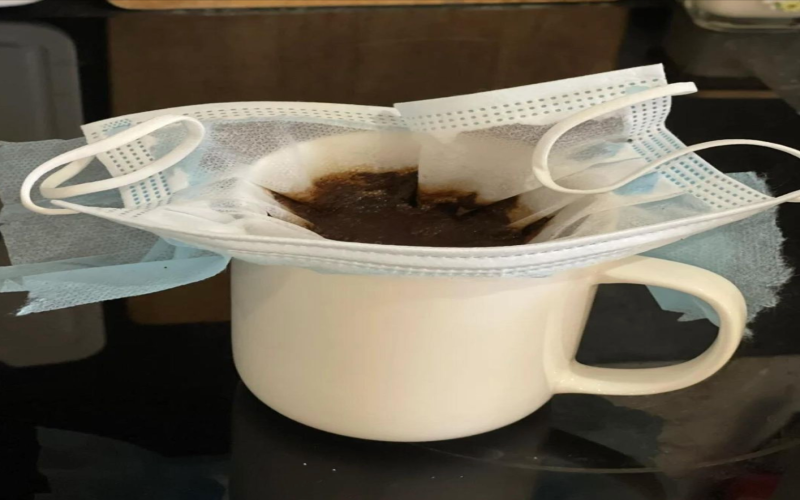
Expired Masks Used as Coffee Filters? Experts Explain Polypropylene Material Risks; Front Street Coffee Advises Against Trying It
Recently, a social media post in which a user brewed drip coffee using a face mask instead of filter paper sparked heated discussion. In the photo, the mask was hung over the rim of the cup to serve as a filtering tool, and the caption claimed it had a "unique taste." This move quickly drew a flood of criticism and concern. Some questioned whether the mask's water-resistant layer and adhesive layer might release toxic substances, while others joked that this was an attempt to compete with "Lianhua Qingwen coffee." In fact, this practice stemmed from a "clever trick" some netizens came up with to avoid wasting expired masks, but medical experts point out that the non-woven fabric in the inner layer of masks is made of polypropylene (PP), and although the amount of harmful substances released when heated is trace, it is still not recommended for contact with food. Front Street Coffee reminds everyone that coffee filter paper costs about the same as a mask, and choosing standard filter paper is the safe and reliable way to brew coffee. [more…]
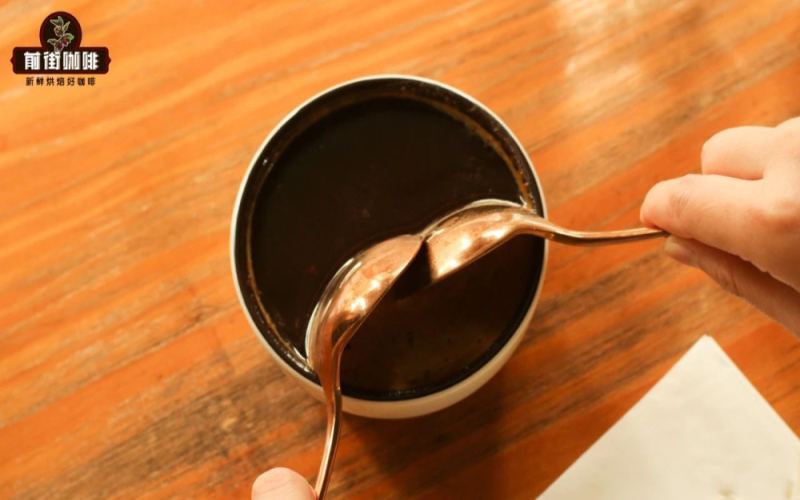
How Else Can You Use Coffee Beans Past Their Peak? Brewing Adjustment Tips and Practical Ways to Reuse Stale Beans
The optimal flavor period for coffee usually refers to 4 to 6 weeks after roasting. Beyond this period, floral notes, fruity acidity, and chocolatey sweetness noticeably diminish or even disappear. Although there is no way to restore coffee beans to a fresh state, adjusting the grind size, the blooming pour, and the circular pouring technique can still improve the taste in the cup. In addition, coffee beans past their expiration date but still within their shelf life need not be discarded in a hurry. Front Street Coffee has tried several down-to-earth reuse methods, such as removing odors, making natural dyes, and spreading them at the bottom of ashtrays, which are both practical and help reduce waste. This article will systematically introduce the key points for brewing stale coffee beans and the many uses for expired beans. [more…]

Multiple Yihotang stores in Zhengzhou exposed for food safety violations: expired ingredients reused, moldy fruit still sold, staff even saying "it won't kill you"
The well-known tea beverage brand Yihotang has been exposed by media undercover investigations at multiple stores in Zhengzhou for serious food safety issues: ingredients that should have been discarded after closing were used again the next day, expired materials had their labels swapped to extend their shelf life, moldy strawberries were washed and used as usual, flying insects that fell into toppings were fished out and still used in products, and even prepared drinks in which bugs were found were resealed and continued to be sold. Even more shockingly, the staff were indifferent to this, claiming that "as long as it doesn't kill people, it's fine." After the incident was exposed, Yihotang issued an apology statement, and the stores involved were closed for rectification. Lawyers pointed out that the relevant actions have violated multiple provisions of the Food Safety Law. Netizens reacted differently, with some saying that chaos in franchise stores is common, while others called on the brand to effectively fulfill its regulatory responsibilities. [more…]
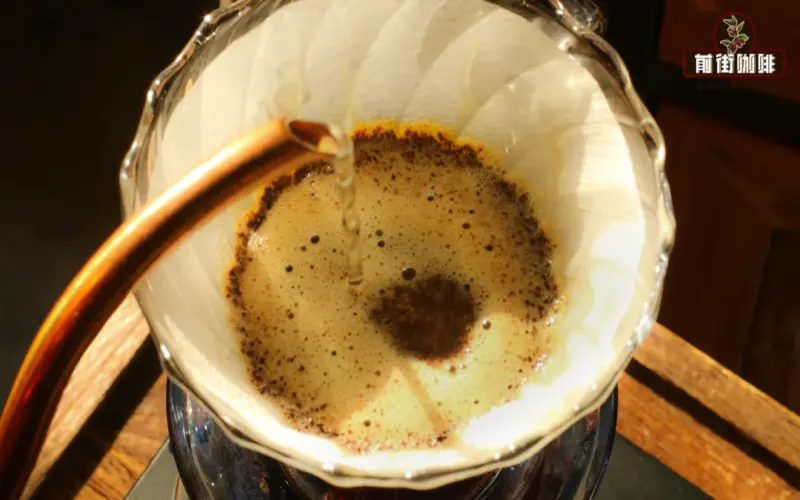
Analysis of the Difference Between Coffee Beans' Peak Flavor Period and Shelf Life: Can Expired Beans Still Brew a Good Cup?
Many coffee enthusiasts know that roasted coffee beans, beyond their shelf life, also have a peak flavor window—the optimal tasting period. But if you accidentally miss this window, can the beans still be consumed? And how much will the flavor degrade? This article compares freshly roasted coffee beans with those stored for two months, using cupping to intuitively demonstrate the differences between the two, and explains how aroma volatilization affects the layers of coffee flavor. At the same time, the article also shares Front Street Coffee's commitment to fresh roasting and how to conveniently purchase high-quality coffee beans roasted within a week. [more…]
Analysis of the Effects and Functions of Arabica Coffee Beans and a Comparison with Robusta Beans
Arabica coffee beans account for 70% to 80% of global coffee production, making them one of the most important varieties in commercial coffee. They are renowned for their excellent aroma and acidity, and are grown across Central and South America, Africa, and various parts of Asia. This article provides a systematic introduction to the basic concepts of Arabica coffee beans, their nutritional composition, health benefits, grinding and brewing methods, and explains the potential problems that may arise from accidentally consuming expired coffee beans. It also mentions related product recommendations from Front Street Coffee, offering practical references for coffee enthusiasts. [more…]
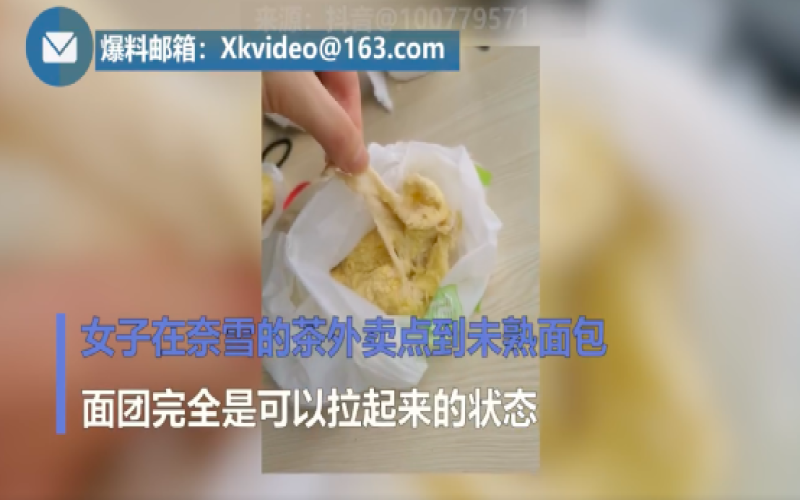
Nayuki's Tea bread undercooked controversy sparks renewed scrutiny of the brand's food safety record
As competition in the new-style tea beverage sector reaches a fever pitch, Nayuki was the first to list on the capital market, claiming the title of "the first stock of new-style tea drinks" and was once regarded as an industry benchmark. Recently, however, a consumer in Shanghai discovered raw dough that could stretch into strings in a durian bread purchased from Nayuki via delivery. The store explained it as "baked relatively soft," and the refund request was also rejected. This incident quickly fermented on social platforms and once again brought Nayuki's past food safety issues back into the public eye—from expired milk and rotten fruit to chaotic kitchen practices, what has happened to this brand with a halo over its head? [more…]
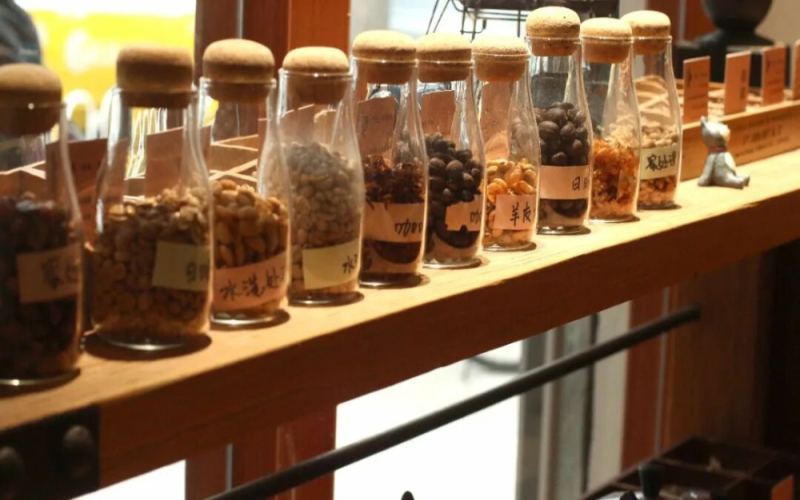
How can you judge the peak flavor period and shelf life of coffee beans? Can re-roasting expired beans restore their aroma?
From the moment roasting is complete, coffee beans embark on a one-way journey of gradually fading flavor. Many coffee lovers are often puzzled: how exactly should the peak-flavor period and the shelf life of coffee beans be judged? Can beans that are past their shelf life or peak-flavor period be "revived" through a second roast to bring back their aroma? This article starts from a real question asked by a customer at the Front Street store, combines the scientific laws of coffee bean degassing and flavor changes, and selects two single-origin beans with different roast levels—Front Street Huakui and Front Street PWN Golden Mandheling—for a comparative brewing experiment, using actual results to provide the answer, while also reminding everyone of the correct ways to buy and store coffee beans. [more…]
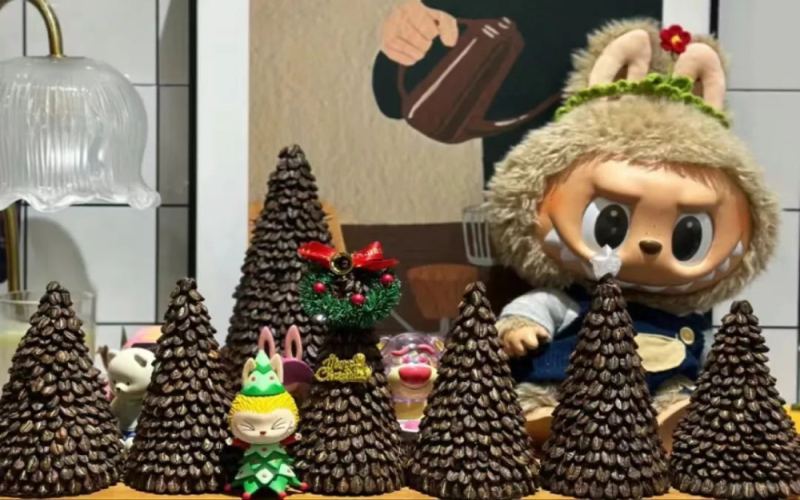
The Coffee Bean Christmas Tree DIY Trend Is Here: From Minimalist to Giant, a Step-by-Step Guide to Creating Festive Vibes
As soon as December arrives, Christmas is just around the corner, and a special "handicraft project" has suddenly become popular in the coffee community—making Christmas trees out of coffee beans. This trend has swept in with great force, drawing everyone from ordinary enthusiasts to coffee shop owners. Why has everyone become obsessed with coffee bean Christmas trees? They can not only use up expired beans and create a festive atmosphere, but also absorb odors—truly killing three birds with one stone. From minimalist versions to maximalist ones, from green beans to light and dark roast blends, and even giant versions, the possibilities are endless. However, it looks easy but is hard to do, and those with clumsy hands are crying out, "Does this tree really have to be made?" This article will take you through this coffee bean Christmas tree frenzy and show how coffee lovers are using beans to play with Christmas creativity. [more…]
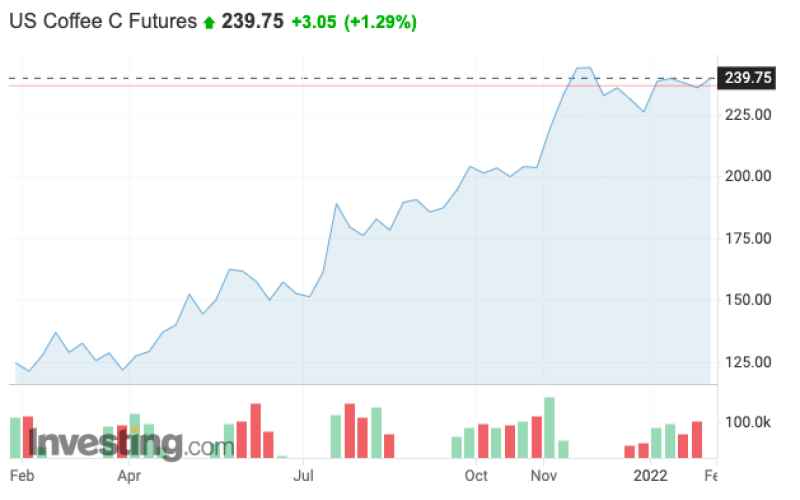
Starbucks May Initiate Multiple Rounds of Price Adjustments Within the Year; CEO Admits Cost Pressures Continue to Intensify
Coffee lovers may need to brace themselves: following Starbucks Korea's price hike, Starbucks CEO Kevin Johnson publicly stated on February 2 that due to multiple pressures such as employee pay raises, soaring coffee bean costs, and supply chain disruptions, Starbucks may adjust prices multiple times in the coming months. Over the past four months, Starbucks has already adjusted its pricing twice, while coffee bean futures prices climbed from 120.2 cents to 239.20 cents over 52 weeks. Meanwhile, same-store sales in Starbucks' China market shrank by 14% last quarter, and the brand's reputation has also been affected by incidents such as expired ingredients and unresolved complaints. Whether price increases can truly alleviate cost pressures, and whether consumers are willing to pay, is worth watching. [more…]
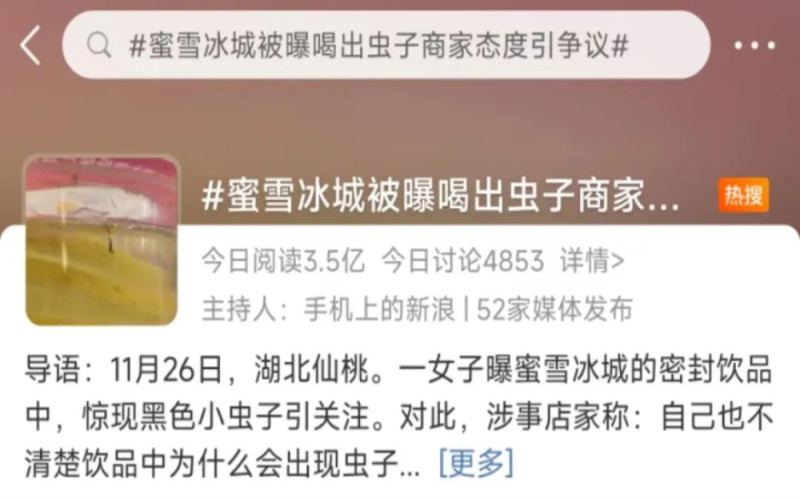
Unopened Mixue Lemonade Found with Black Foreign Object, Store Response Sparks Public Outcry
For professional coffee knowledge exchange and more coffee bean information, please follow Coffee Workshop (WeChat public account cafe_style) For more specialty coffee beans, please add the private WeChat of Front Street Coffee (FrontStreet Coffee), WeChat ID: qjcoffeex Mixue Bingcheng has once again been thrust into the spotlight. A consumer in Xiantao, Hubei, found a small black bug in an unopened lemonade, yet the response from the store was jaw-dropping. As the champion in store count in the new tea beverage industry, why do food safety issues keep recurring for Mixue Bingcheng even as it sprinted toward an IPO? This article will sort through the course of the incident, netizen reactions, and the brand's frequent food safety scandals this year, and explore the bottom line issues of service and quality control in the catering industry. [more…]

Why Is Jamaican Blue Mountain Coffee So Expensive? A Full Guide to Authentic Blue Mountain Bean Prices and Grade Identification
Jamaican Blue Mountain coffee is hailed as one of the world's top coffees, and behind its high price lie both the scarcity of natural conditions and the role played by historical trade monopolies. After the Japanese company UCC provided aid to Jamaica last century, ninety percent of Blue Mountain production was locked into supply for Japan, causing international market shortages. Only after the 2008 agreement expired did Blue Mountain coffee gradually flow to more countries, and Chinese consumers can now also directly import authentic Blue Mountain beans. However, the market is flooded with confusing products such as "Blue Mountain flavor" and "Blue Mountain blend." How can one tell authenticity? How many grades does Blue Mountain coffee have? And how should Front Street Blue Mountain No. 1 be brewed? This article will answer these questions one by one. [more…]